
- NICEIC Approved Contractor
- Detailed Coded Reporting
Professional Electrical Inspection and Testing
Electrical installations deteriorate over time. Connections loosen, insulation breaks down and older wiring may no longer meet current safety standards. Regular inspection and testing identifies these issues before they become dangerous.
We carry out full electrical inspections in line with BS 7671 (the IET Wiring Regulations) and issue coded reports that clearly explain the condition of your installation. Every circuit is tested, every connection checked, and you receive a detailed document that sets out exactly what was found, what needs attention and how urgently.
Whether you need an inspection for your own peace of mind, to satisfy a legal requirement as a landlord, or to meet insurance or mortgage conditions, we provide a thorough, honest assessment with no unnecessary upselling.
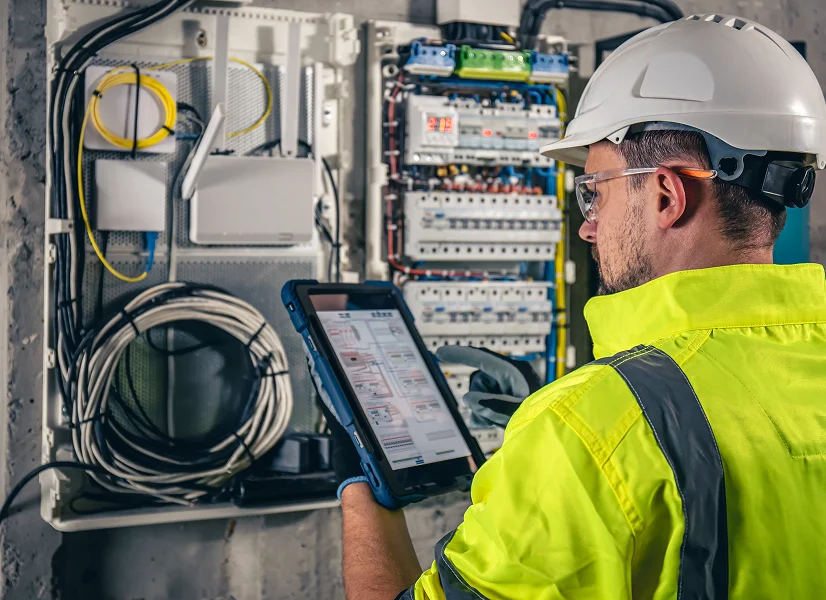
Our Electrical Inspection and Testing Process
1
Electrical Installation Condition Reports (EICRs)
A full assessment of the fixed electrical installation in a property. Required every 5 years for rental properties, recommended every 10 years for owner occupied homes.
2
Pre Purchase Electrical Surveys
A detailed inspection before you buy a property. Identifies existing faults, non compliant work and potential costs so you can make an informed decision.
3
Periodic Inspection and Testing
Scheduled testing for commercial premises, schools, churches and public buildings to meet regulatory and insurance requirements.
4
Emergency Fault Finding
Targeted testing to locate the source of an electrical fault. Tripping circuits, intermittent power loss and burning smells all require professional diagnosis.
5
Post Installation Verification
Testing and certification after new electrical work has been completed, either by us or by another contractor whose work you want independently verified.
Why Regular Electrical Testing Matters

Safety
Faulty wiring is one of the leading causes of electrical fires in UK homes. Testing identifies problems before they cause harm.

Legal Compliance
Landlords in England are legally required to have electrical installations inspected every 5 years. Commercial premises must meet Electricity at Work Regulations.

Insurance Requirements
Many insurance policies require evidence of regular electrical testing. Without a valid report, a claim could be refused.
Property Transactions
Buyers, sellers, mortgage lenders and surveyors increasingly expect a current EICR as part of the transaction process.
Our Process
1
Booking and Preparation
Tell us the type of inspection you need and we arrange a date. We let you know what needs to be accessible before we arrive.
2
On Site Inspection and Testing
Our electrician systematically tests circuits, earthing, bonding and protective devices against current regulations.
3
Report and Findings
You receive a detailed report with observations coded by severity (C1, C2, C3, FI), all explained in plain language.
4
Recommendations and Remedial Work
We quote any repairs needed. For urgent C1 or C2 findings, we can often fix them the same day and reissue your certificate.



What Our Clients Say
"Excellent service. Arrived on time, explained the issue clearly, and fixed the fault quickly. Highly recommend!"
- Sarah T, South London
"We use LEM Electrical for all our office maintenance. They are reliable, professional, and their work is top notch."
- James M, Corporate Client
"Did a full house rewire for us. The team was clean, polite, and finished ahead of schedule. Very happy."
- David R, East London
Frequently Asked Questions
How long does an electrical inspection take?
A typical 3 bedroom house takes around 2 to 4 hours depending on the size and complexity of the installation. Larger or older properties may take longer.
Do I need to be at home during the inspection?
Someone over 18 needs to be present at the start so we can access the consumer unit and discuss any known issues. You do not need to stay for the full duration.
What happens if faults are found?
Every fault is recorded in the report with a classification code. C1 means danger is present and requires immediate attention. C2 means the installation is potentially dangerous. C3 is a recommendation for improvement. We explain everything clearly and can carry out any remedial work needed.
How often should I have my home electrics tested?
The recommended interval for owner occupied homes is every 10 years. For rental properties, testing is legally required every 5 years. If your property has old wiring or you have had electrical problems, more frequent testing may be sensible.
Is an EICR the same as an electrical inspection?
An EICR is the formal report produced following a full electrical inspection. The terms are often used interchangeably. When you book an electrical inspection, the EICR is the document you receive at the end.
Need an Electrical Inspection?
Whether you need a simple repair or a full installation, our team is here to help. Get in touch for a free, no obligation quote.

