
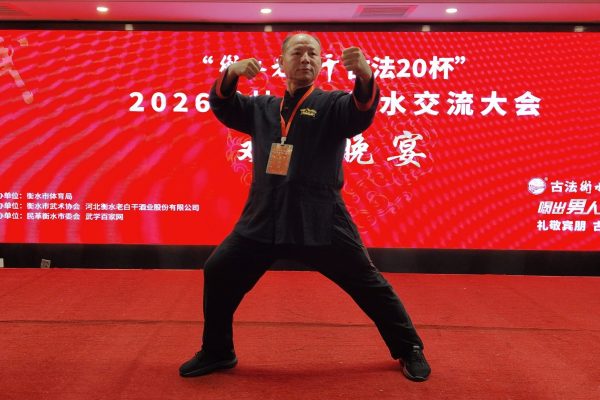
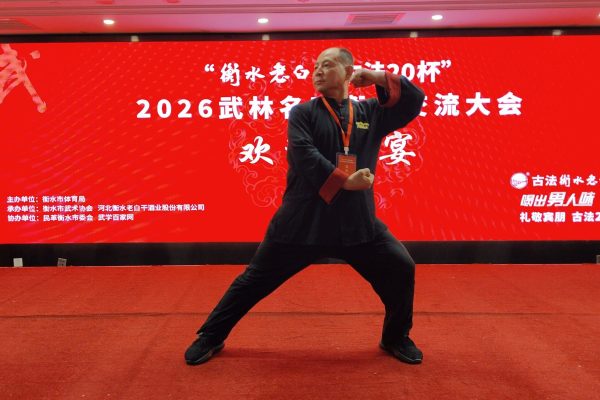
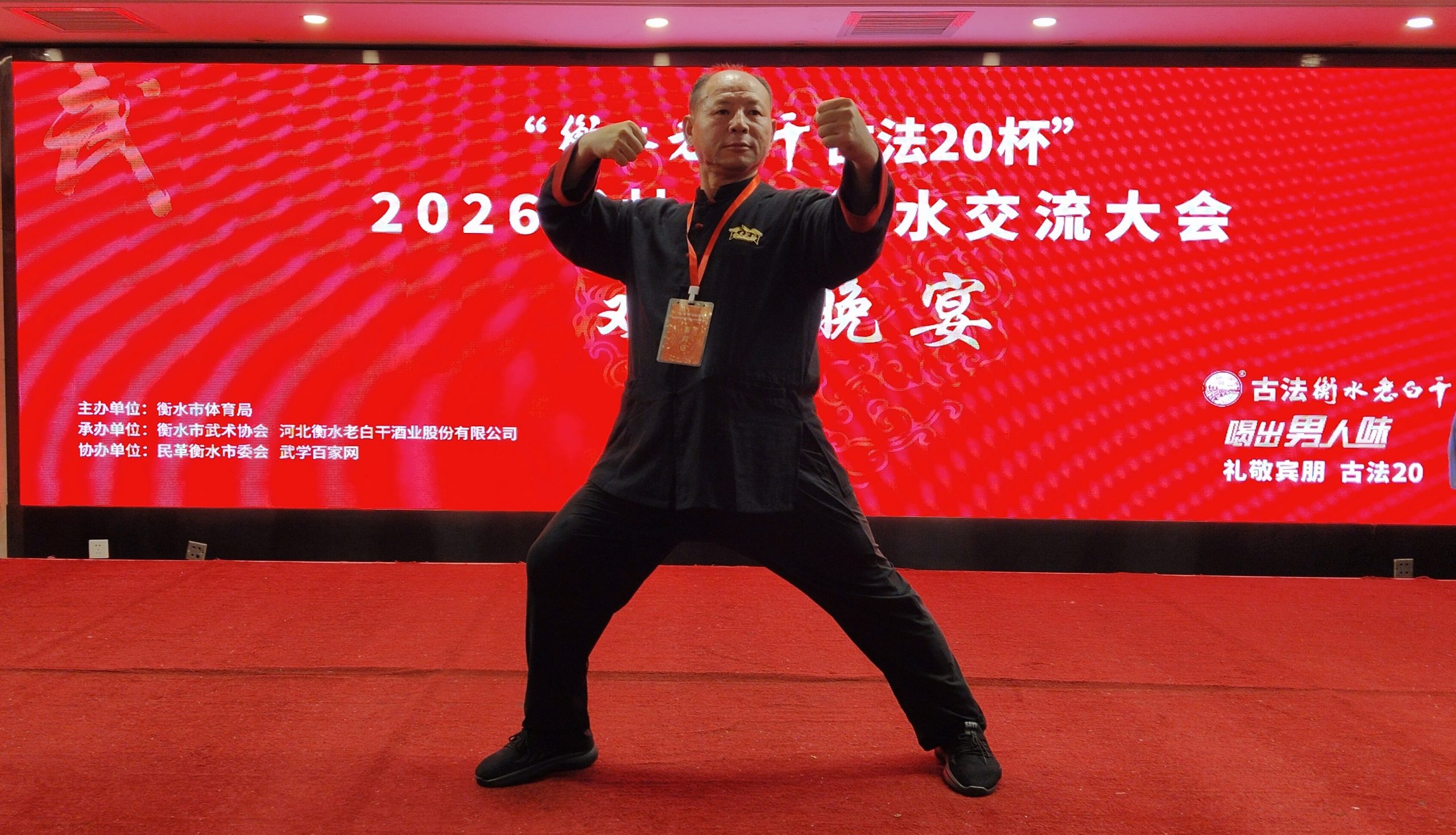
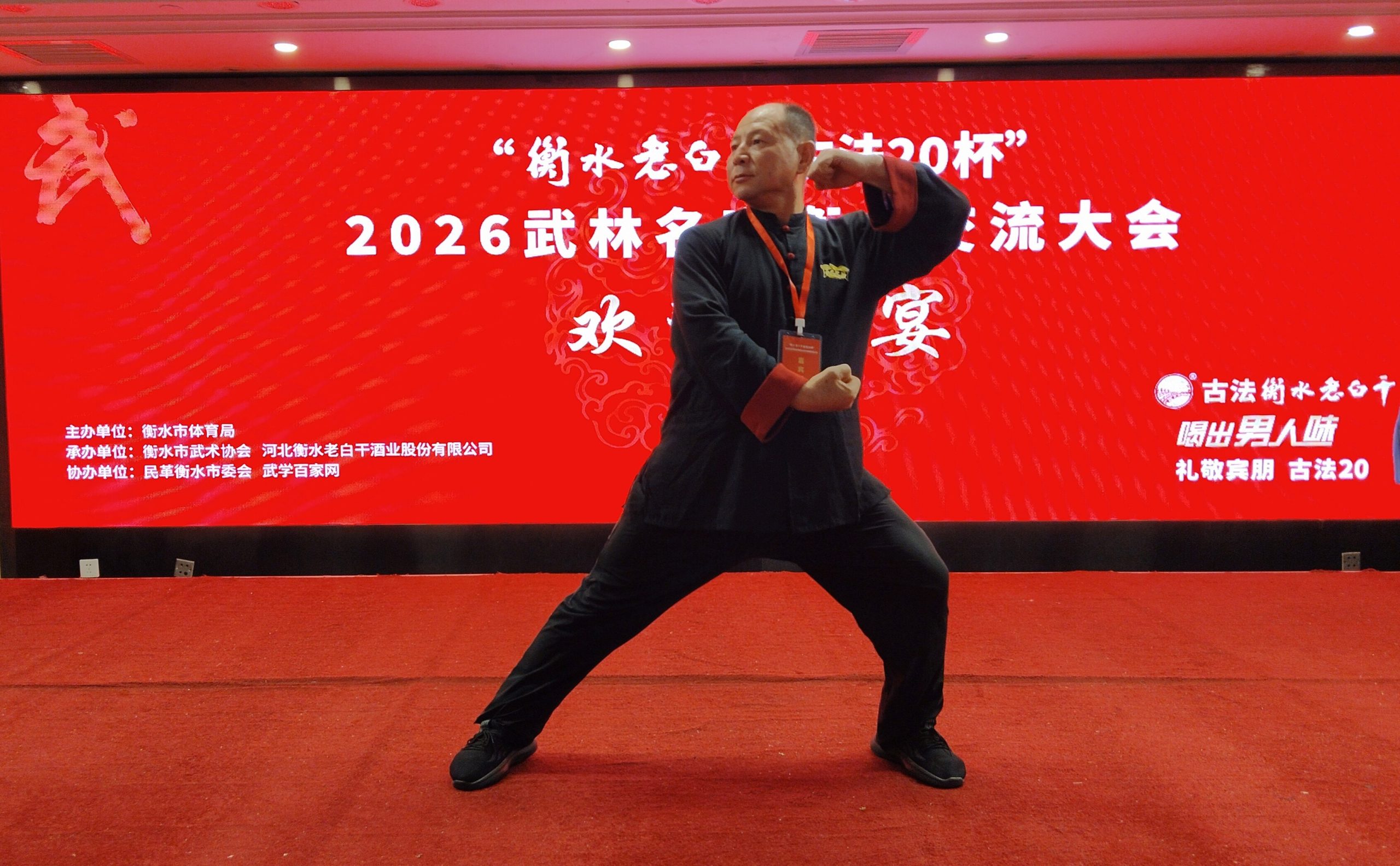
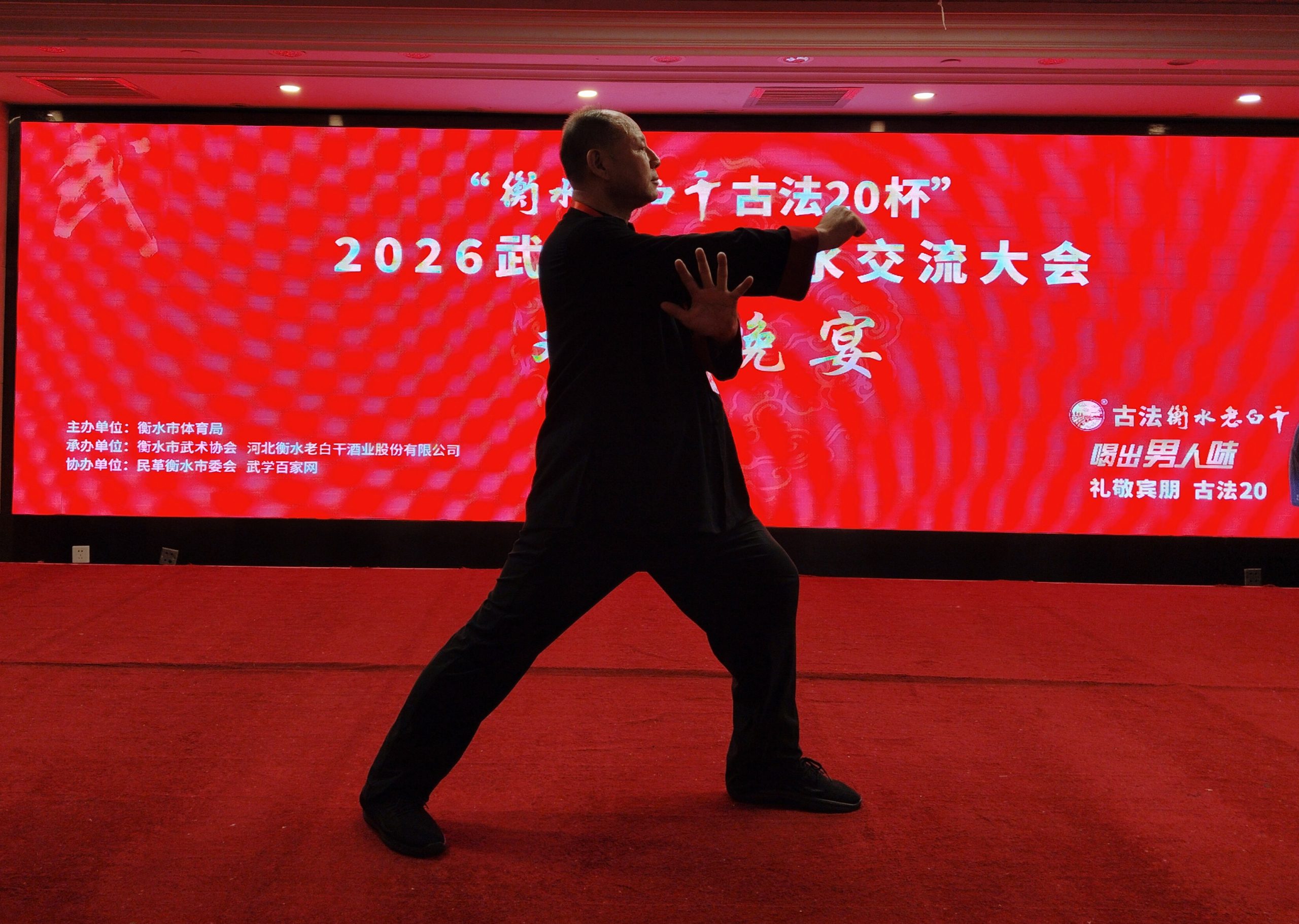
英国乔氏太极拳健康俱乐部
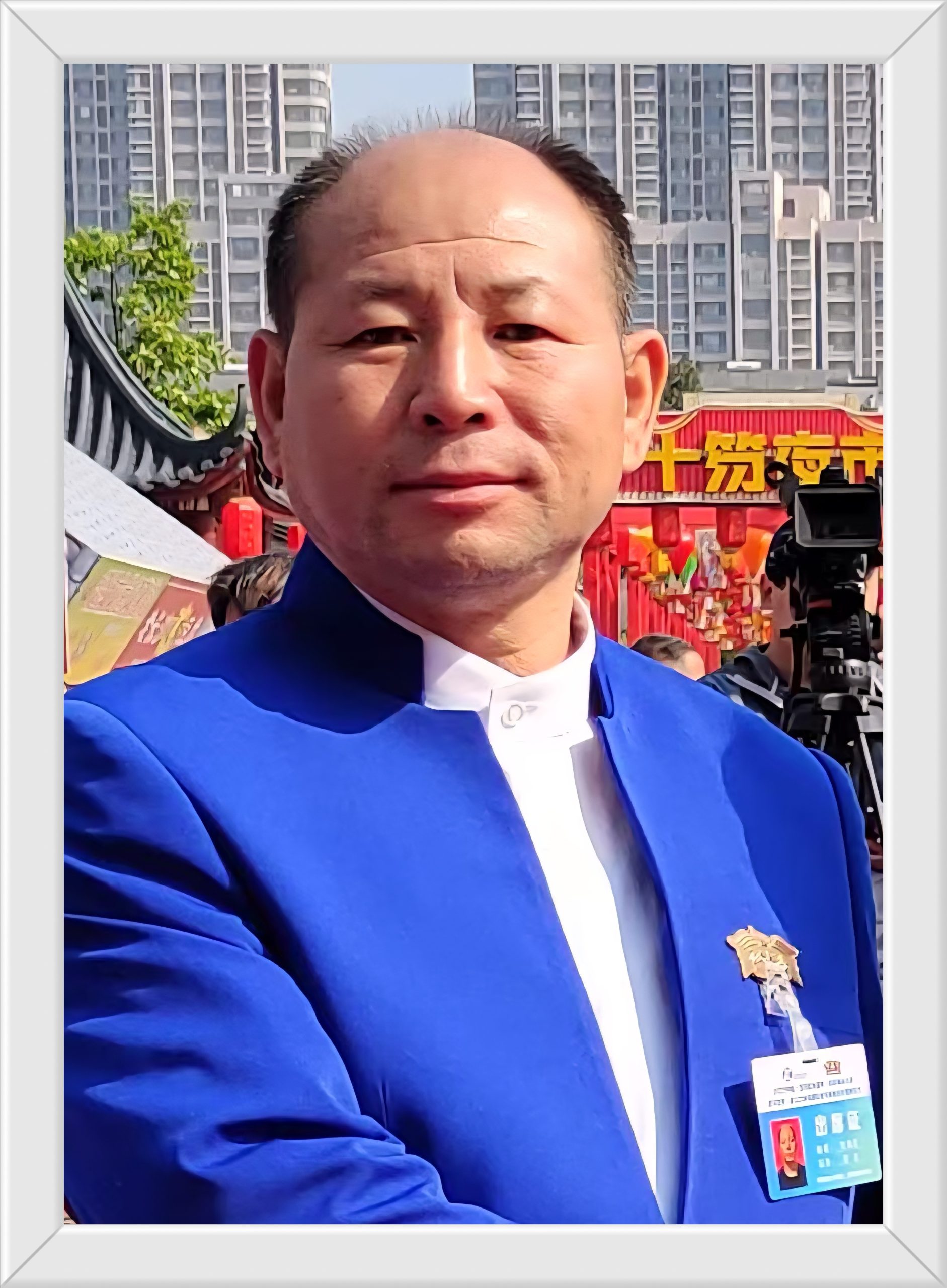
Master Zhang Xinji
张欣基
The Five Stages of Practicing Qiao Style Tai Chi Chuan
Source: Chinese Wushu, Issue 5, 2004
Author: Zhang Xinji
Edited and translated by: Zhou Juan
乔氏太极拳五大习练阶段
来源:中国邯郸乔氏太极拳健康俱乐部
作者 张欣基
编辑与翻译 周娟
Tai Chi is a comprehensive discipline, founded on the principles of the I Ching (Book of Changes). As the renowned contemporary martial artist, lineage holder of Wu-style Tai Chi and founder of Qiao-style Tai Chi, Master Qiao Songmao, stated: “The opening lines of Wang Zongyue’s Treatise on Tai Chi from Shanxi — ‘Tai Chi arises from Wu Chi; it is the mother of Yin and Yang…’ — tell us that Tai Chi is a boxing system guided by the I Ching.” It requires us to view, analyse and engage with all things objectively and dialectically. This fundamental understanding — that all phenomena contain opposing yet complementary forces — is what we call Tai Chi thought. Qiao‑style Tai Chi is the practical application of this thought through human movement. It is a scientific, dialectical practice: at every moment and in every motion, it embodies internal shifts between Yin and Yang, empty and full, hard and soft.
Qiao‑style Tai Chi places utmost emphasis on whole‑body structure and presence. Every movement demands: upright alignment, support in all directions, unbroken connection from crown to heel, calm relaxation, clear distinction between empty and full, full bodily coordination. Its structural requirements are precise, subtle and refined, fully aligned with human anatomy and mechanics. As Master Qiao Songmao noted: “It scientifically integrates martial arts, mechanics, guided movement and traditional philosophy.”
Progress comes only through upholding upright alignment, moving sequentially from learning the form, refining it, flowing smoothly, applying it in combat, and finally reaching a fearless, unshakeable state of mind. This gradual, cumulative journey requires authentic instruction and sustained personal effort. It is far more than physical exercise — it refines the spirit and unites body and mind. Its external movements follow sound mechanical principles; its internal logic matches how the human body functions. Practice feels both invigorating and deeply calming. Consistent training builds authentic Tai Chi structure, bringing improved vitality, better health, resilience against illness, and the ability to protect oneself.
While in reality these stages overlap and blend, outlining them helps beginners navigate their progress:
Stage 1: Learning the Form
This is the foundation‑building phase. Focus is placed on memorising the sequence, mastering correct posture, and above all — upright alignment.
Upright alignment means keeping the body vertical: no leaning forward or back, no tilting left or right, no protruding chest, rounded back or lowered head. In Qiao‑style Tai Chi, this alignment forms a vertical line from the Baihui point at the crown of the head through the heel of the supporting leg. Externally, there is a very subtle sense of drawing back.
Beginners must establish stability and central balance, carrying themselves with presence and awareness. This takes time: old habits do not change overnight. Yet every movement must return to this core principle — like learning calligraphy, first mastering clear, regular strokes before gaining fluency.
Key practices:
– Shift weight fully so one leg carries most weight; the other rests lightly without competing for force
– Maintain constant balance through all transitions
– Move slowly enough to feel and correct every detail
– Move as a single integrated unit: “When one part moves, all move; when one rests, all rest”
Misaligned structure blocks connection, wastes energy, impairs circulation and prevents effective defence. As the saying goes: “A bowed head and hunched back make for shallow skill.” Small errors compound greatly over time — “An inch off at the start leads to a mile astray” — and bad habits are extremely difficult to unlearn later.
Stage 2: Refining the Form
Here you systematically correct internal intention and external posture, solidifying proper structure.
Work remains slow and deliberate. Constantly check:
– Is my spine truly upright?
– Is my centre stable?
– Is my whole body moving as one?
– Are empty/full and opening/closing distinct yet connected?
– Does each movement follow the natural sequence: initiate → extend → open → close?
You may use a mirror, but avoid looking down at your feet — this breaks alignment and focus. This stage tests perseverance: deeply ingrained habits surface repeatedly. It feels like rowing upstream — only steady persistence carries you forward. Gradually, correct posture becomes second nature, and your body functions as one harmonious whole.
Stage 3: Flowing Practice
Now your structure is reliable and upright alignment is automatic. The form flows continuously like a great river: one movement naturally becomes the next, with no break in energy.
Key qualities:
– Smooth, unbroken transitions
– Appropriate rise and sink, clear opening and closing
– Steady, full energy throughout
– Remain fully alert — do not relax your focus simply because movements feel easy
– Continue moving slowly, building sensitivity, precision and fighting awareness
This deep consolidation lays the groundwork for practical application.
Stage 4: Martial Application
No longer occupied with correcting posture, you now integrate combat awareness into every movement.
Practice with this mindset:
“Doing the form, imagine an opponent stands before you; facing an opponent, move as if entirely unburdened.”
This realises the classic description:
“First arrange yourself perfectly. When the opponent touches you, do not move them even slightly — instead, enter along their momentum, control their force, and they will naturally fall away.”
– “Arrange yourself perfectly” means unshakeable alignment, rooted balance and complete preparedness
– “Do not move them even slightly”: externally remain calm; internally instantly read and connect with their force
– “Enter along their momentum”: catch their centre before they react
– “Control their force”: guide their energy without resistance
– “They naturally fall away”: their own imbalance causes their defeat — you do not force it
This is the subtle effectiveness of Qiao‑style Tai Chi: lead according to how they move, rather than imposing your own will.
Stage 5: Fearless Presence — The Ultimate Level
At this highest stage, structure, movement and self‑defence operate as instinct, no longer requiring deliberate thought. Practice brings deep ease and complete absorption.
Progress continues indefinitely:
“Practise one day, improve one day; practise longer, refine further.”
You now move within rules, yet beyond rules; beyond rules, yet never breaking core principles. Fundamentals remain unchanging, while expression becomes boundless. The “energy” spoken of here refers to mental bearing, vitality and intent — not breath or metaphysical concepts.
There is no fixed shape or set technique: your whole body becomes a weapon. Make contact anywhere, and anywhere responds. Calm inside, composed outside — you carry the true mark of mastery.
Summary
Ultimately, Qiao‑style Tai Chi revolves entirely around bodily structure. Mastery is impossible without upright alignment: without it, there is no all‑round support, no interchange of Yin‑Yang, empty‑full, hard‑soft.
Tai Chi brings far more than fighting skill and longevity: it nurtures character, fosters calm, harmony and resilience, and deeply enriches the quality of life.
Remember: Success comes to those who dedicate themselves fully.
Citation & Disclaimer
Source note: Translated excerpt from Zhang Xinji, “The Five Stages of Practicing Qiao‑style Tai Chi”, Chinese Wushu, 2004(5). Terminology follows standard international Tai Chi convention and Qiao‑style lineage usage. All references to traditional concepts are presented in contexts of physical training, health science, mechanics and philosophy, excluding religious or spiritual claims.
太极是一门学问。它是以”易经”理论为基础的一门学问。正如当代著名的武术家,武式太极拳传人,乔氏太极拳创始人乔松茂先生所讲:”《山右王宗岳太极拳论》的开篇’太极者无极而生阴阳之母也……’就告诉了我们,太极拳是’易经’指导的拳学”。它要求人们客观、辩证、一分为二地对待事物、看待问题、分析问题、解决问题。它是以万事、万物的本身皆有既互相对立又互相统一的哲理为基础的一种思想认识。我们把这种对待事物的思想认识称为太极思想。乔氏(式)太极拳是太极思想与人体运动相结合的具体表现。它是一个科学的人体辩证运动过程,在这个运动过程中势势处处、时时刻刻都包涵、体现着人体内在的阴阳变换、虚实相间和刚柔相济。乔氏太极拳的训练注重整体身法和气势,要求举手投足立身中正、八面支撑,上下贯穿、松静自然、虚实清楚、周身协调、松静自然、周身一家。它对身法的要求极严、极细、极微、极妙,无一不符合人体的科学要求和规范,正如恩师乔松茂先生所言”……它科学地集拳术、力学、导引、传统哲学为一体”。凡学者必须严守身法一一立身中正,充分地体现出这一风格和特点来:由学架子到改架子;由改架子到走顺架子;由走顺架子到技击的运用;由技击的运用到无畏无敌的精神境界。它是一个循序渐进、节节升高、逐步完成和长功的过程,它须在师父正确的言传身教下通过自己的不懈努力才能步步提高。它不仅仅是身体的简单运动,更重要的是内在的精神冶炼、身心合一。它的外形功架势势符合力学的科学原理,它的内涵机理处处渗透着人体机能的运动规律,它势势均与拳理接骨斗榫、毫厘不差。练功走架的感觉如咖啡提神又如美酒陶醉,只要坚持按要求锻炼就可形成太极身法,必能达到固本培元、增强体质、防身御敌、技艺超群和祛病延年之功效。
练乔氏太极拳原本没有阶段划分,或准确的讲,它的阶段之间是相互渗透不可以分得清清楚楚的,是一个逐步提高的过程。这里为了学者便于掌握,让初学者在心中有一个大概的框架,本人根据学习体会将练习功架的过程分五大阶段来阐述,以便同好参考指正。
第一阶段:掌握功架的阶段
这一阶段属于打基础、学架子阶段,主要在架子的名称顺序和外形规范、姿势准确上下功夫,每一动势都要立身中正。立身中正,顾名思义就是在走架子的运动中,身体竖好,中正不偏,不可前仰后合、左歪右斜、挺胸腆肚,弯腰驼背和低头哈腰,乔氏(式)太极拳的立身中正是指头顶百会穴与支撑腿的脚跟上下串成一条直线与大地垂直。就外形来看,其身体有微微后靠(仰)的样子。学乔式太极拳要牢牢把握住自己的重心点,掌握住立身中正的要求,势势提起精神,把头抬起来,把身子竖起来,有八面支撑的气势,眼睛和心思要用在洞察敌情的变化上,做到顺随忘我。这对初学者来讲不可能一下子掌握,也不可能一下子把自己长期习惯性的动作改正。这是个努力方向。只要走架练拳就要时时刻刻提醒自己守住”立身中正”这个最基本的要点。每一动势都要留心,都要平心静气,想好了,认为姿势准确了再做下一个动作,在学拳架中要努力做好动作之间的衔接。立身中正,不偏不倚,势势有顶天立地之气势,犹如一根立木能顶千斤压力。如果刚开始练拳不把身子竖起来,不但达不到好的效果,而且对往后功夫的提高负面影响也很大,那就是说此习练者将永远达不到乔氏太极拳的上乘功夫。为什么说不把身子竖起来就练不好拳技呢?因为不如此,就不能上下贯穿,就谈不上立身中正,也就没有八面支撑的气势,从身体外形上讲不符合力学原理;从身体内部来说身体受力不均,气血流动就不能很好地协调。而且由于身体的歪斜会不自觉地做出无谓的体能消耗,如此连自己的稳定都成问题,何谈御敌呢?俗话说的”低头哈腰学艺不高”就是这个道理。开始学拳必须像学书法写楷书一样,要一笔一画、横平竖直、有棱有角、势势规规矩矩,要平心静气,时刻把握住虚实,做到实腿为主支撑身体,虚腿为辅依附在实腿一侧,虚腿只需辅助实腿,切不可与实腿争力。在两腿虚实转换的过程中,要保证身体的中心,重心始终处在一个稳定恒定不变的平衡状态。身心相随,形神统一,周身一家,要时刻做到一动无有不动,一静无有不静,腿手脚要依附身体,随身一体,切不可随意乱动,勿自伸缩,一定要在力求守住身法,在架子正确的前提下练习,切不可潦草从事。走一势要有走一势的效果,走一个架子要有走一个架子的效果。刚开始,在规矩的框子里手脚感觉呆板,没有灵活性,但只要守住身法坚持习练,慢慢地形成习惯,为下一步凝固架子打下一个良好的基础。所以初学初练乔氏太极拳架必须要慢,只有慢才能有时间静下心来体认,用心体会出和掌握住拳架所要求的身法。这种练功方法看起来严格了些、学起来吃些力、有束缚感、进度慢了点,但这种严格的练法是今后在拳艺上能够得心应手的基础。如果一开始不注意姿势的准确度,不立身中正、不静心体悟虚实变化,不严格苦守身法,一开始就想快、就想用,直使轻浮草率,导致拙力努劲,其结果本末倒置,以后进步就慢了。所以说”差之毫厘、谬之千里”,学拳容易改拳难。
第二阶段:改架子阶段
这是凝固架子锤炼自己的阶段。所谓改架子就是改正自己在练拳过程中不符合拳理要求的内在意识和外形姿势,使之走向正确。这一阶段是在第一阶段学完架子后的继续。在第一阶段学拳架的过程中如果学得较慢、较细,掌握得较好、身法毛病较少的话,那么这一阶段将会稍容易点;如果在前一阶段学得比较粗,只是在学拳架时大概地顺了下来,那么此阶段必须一点点地校正。不管怎样,改架子是一个长期艰难的过程,也是练功自律的相持阶段,这一阶段,如逆水行舟,只有坚持不辍,才能过此关口,必须在长期的习练过程中,逐步克服自己潜意识中不断出现的、不符合乔氏太极拳科学规范的习惯性动作。在习练过程中仍然要慢不要快,要把握好自己的中正,守好重心,身心投入,时时刻刻按照动作的变化规律去细心体会,特别强调把精神集中在每一姿势的体会上,用心感觉姿势是否正确,也可面对墙壁上的大镜子观看自己的运动姿势,切忌低头去看自己的动作而影响拳架的气势和整体性。每一动势,先问自己,身子是否竖起来了?重心把握好了没有?周身协调好了没有?虚实做够数了没有?每势是否按照起、承、开、合的步骤做了?感觉是否中正不偏、得机得势?手和脚的位置是否恰切顺随?如有不合规范即速改正,如此反复锤炼,尽量在走架过程中做到有的放矢、刻刻留心、势势留意,以自己的重心为轴为根,折叠转换,连贯协调,不中途断线,更不走流水架,从而使自己的身法逐步地形成周身一家。
第三阶段:走架子的阶段
这一阶段是在架子(拳架)逐步改正后,逐步凝固成”周身一家”之架子(拳架)的必需阶段。这时的拳架走起来比较顺,每一动势,身法均符合乔氏太极拳”立身中正”的要求和规范,已经守住了乔氏太极拳的基本身法。立身中正、举手投足无过无不及,行功走架如长江大河,连绵不断,前一个动作的完成,既是下一个动作的基础,也是下一个动作的开始。周身一家,上下相随,起伏得当,开合有致,虚实得当,气完势整。整个走架子过程中,不可以因为架子(拳架)顺了而精神懈怠,要提起全副精神、全神贯注,利用架子的顺随逐步加强练拳架的力度,此阶段要多磨练、细磨练,炼精、炼细、炼灵、炼出对敌意识,为了找到所要得到的感觉,此阶段仍然要慢,在慢中找到技击意识和感觉,由于顺随的拳架长期磨练,从而为下一步技击的运用打下一个坚实的基础。
第四阶段:技击阶段
在拳架走顺以后,不再为校正架子费心劳神,也就是说自己的身法已经完全符合乔氏太极拳的要求,”立身中正”再不是口头上的了,而是成为自己的良好习惯,举手投足皆合拳理◇此阶段仍要坚持按照乔氏太极拳要求习练。此时的练法要逐步将精力转移到增强敌情上来,每一动势问自己,对手用大力击来,我何以对之?以何迎之、胜之?也就是说,对手击来我怎样用太极身法拿住敌人、控制住对手。这一阶段要在走架子时把无人当有人,势势制敌,在与人打手时把有人当无人,势如破竹。正如拳论所言:”自己安排得好,人一挨我,我不动彼丝毫,趁势而人,按定彼劲,彼自跌出。”这句话很形象,它是功夫上乘时与敌人交战时的真实感受和写照。”自己安排得好”,一方面有自己运用得当的意思;另一层涵义是说自己有实力安排好,这是因为经过长期习练,自己身法中正,重心稳固,功夫纯青。试想以自己长期习练形成的有八面支撑之气势的劲力和刚柔相济的太极身法去迎接来犯之敌,有什么可以安排不好呢?”人一挨我”,指对手稍挨上我,我内里如同触电一样警觉。”我不动彼丝毫”,是指我外表不动让对手认为我没有警觉,而内里在做迎敌的调整,这里的”不动”并不是不动,而是外表好像没动,而内里却以足够的劲力在运动,在做吃住对手重心的行动。”趁势而人”,由于前面的”不动”麻痹了对手,所以在时间的准备上我先于对手,我已经暗中吃住了对手的重心,此时对手大势已去,可还没有认识到他自己的处境。此时,我可以明着让对手感觉到自己的重心被我完全控制,试想对手的重心都被掌握和控制住了,还有什么不好解决呢?所以”按定彼劲”,我以八面支撑的正中气势向一个连自己重心都控制不了的对手施加压力,对手感到了压力和威胁后,自然要做本能的反抗,但想反抗又无法抗拒的时候,其身子僵化,这股僵劲顶来,我便顺着这股僵劲顺势发放,所以”彼自跌出”,对手便随着我的发放顺势被抛跌出去。整个技击过程是客观的,是形势发展的必然,而不是主观臆断强行的结果,它是对手让你怎么打就怎么打,而不是你想怎样打就怎样打。这便是乔氏太极拳的技击妙处。
第五阶段:无畏、无敌的精神境界阶段
这是功夫上乘的最高阶段,这一阶段的到来是前四个阶段的体现,达此阶段后再不须为掌握拳架、走顺拳架、如何御敌等身法和意识上下功夫了。也就是说防身御敌已经是自己的良好习惯和潜意识的本能动作。此时并不是说不须要练功了,此时练功有心旷神怡的忘我境界。古拳谱说:”练功一日、技精一日。”又说:”功弥久而技弥精亦。”现在的练不是原来的时时势势依规矩的练,而是一种更高境界的依规矩、破规矩,破规矩、还要守规矩的练。这句话的意思是说,在练功或实战时身法要守住,精神要放开。虽然放开了,但身法永远是太极身法,也就是古拳谱所说的全以”气”而言。这里所说的”气”是一种气势,是从精神上而言的,并不是指呼吸之气或一般意义上的空气,这是一种感觉,而感觉是看不见、摸不着的。拳无定向、身心相随,这时的拳,不单指拳头狭义的概念,而是广义上的整个太极身法。周身上下处处是拳,挨哪儿,哪儿发,神志专一,气势鼓荡,精神贯注◇有遇敌欲吃之势意◇真正形成内固精神外示安逸的上乘功夫。
练乔氏太极拳不但使人技艺超群、延年益寿,更重要的可使人陶冶情操、改变气质、处事祥和、遇事冷静,有脱胎换骨之感,提高生命质量。
总之,传统乔氏太极拳主要是从身法而言的。只有练成太极身法才有可能练成乔氏太极拳的上乘功夫。要想练成太极身法,就必须紧紧把握住”立身中正”这一贯穿在太极拳运动中自始至终的基本要求。切记,没有”立身中正”,就没有八面支撑,更谈不上阴阳、虚实的变换和刚柔相济的发放。所以,凡练乔氏太极拳者必须牢记和紧紧把握住这个要点,只要按此要求去做就能一步步达到成功的彼岸,领略太极拳艺术的魅力。切记,世上无难事,只怕有心人!