
英国乔氏太极拳健康俱乐部
Introduction to
Qiao Style Tai Chi Chuan
乔氏太极拳简介
Qiao Style Tai Chi Chuan was created by the renowned contemporary Chinese martial artist, Mr. Qiao Songmao, based on the comprehensive inheritance of the traditional Wu Yuxiang Style Tai Chi Chuan. With its complete theoretical system, scientifically standardized forms, and unique health and combat benefits, it has received high attention from the Publicity Department of the Central Committee of the Communist Party of China, Hebei Province, and relevant departments of Handan City. At the 3rd (Shenzhen) International Cultural Industries Fair, it was hailed as one of the “Three Flowers of Tai Chi Culture in the Ancient City of Handan,” alongside Yang and Wu Yuxiang Style Tai Chi Chuan, all being treasures of traditional Chinese culture and art.
乔氏太极拳是中国当代著名武术家乔松茂先生在全面继承传统武式太极拳的基础上发展所创。以其完整的理论体系,科学规范的拳架,独特的健身及技击功效受到国家中宣部、河北省及邯郸市有关部门的高度重视,并在第三届(深圳)国际文化产业博览会上和杨、武式太极拳同被誉为古城邯郸太极文化“一树三花”均是祖国传统文化艺术瑰宝。
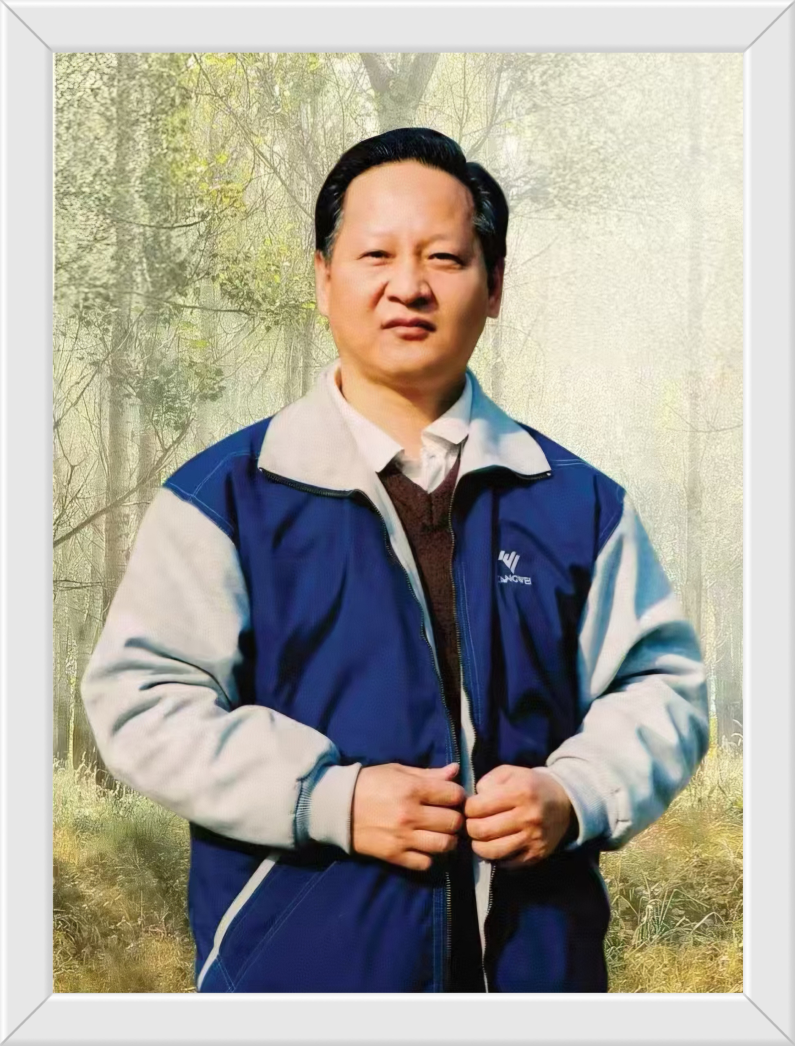
The Inheritance of Mr. Qiao Songmao
Building upon the theoretical foundations laid by Wu Yuxiang, Qiao Songmao expanded the traditional goals of Tai Chi—”overcoming all adversaries” and “promoting longevity”—to emphasize “self-cultivation” and “seeking a balanced state of harmony” (for detailed discussion, see his book Yield and Adapt). Over more than forty years of practice, drawing upon his early training under his uncle, the family heritage passed down by Li Jinpan, and insights gained from his career in public service, he integrated diverse traditions to develop a comprehensive body of theory and practical experience. His research yielded original contributions, including the Four Essentials of Martial Arts, the Doctrine of Self-Mastery, the Five-Step Training Method, and the Theory of Five Core Physical Attributes. He also proposed three key elements that define the formation of any martial school. As a result, Qiao-Style Tai Chi evolved into a complete discipline combining physical fitness, self-defense, and moral cultivation—one that can enhance health and vitality, and even lead to a profound sense of unity between self and nature, thus enriching the broader cultural heritage of Tai Chi.
乔松茂先生的传承
乔松茂在精诚研习武禹襄的理论基础上,把太极拳的“英雄所向无敌”“益寿延年”进一步发展为“修身”和“寻求和谐的平衡点”(注:详见<<随曲就伸>>一书)。四十余年的习武,使乔松茂在继承其舅父亲传及李师家传太极拳原有功法的基础上,结合自己从政多年的人生经验,广采博引,积淀下深厚的武术理论和武术实践基础,对太极拳功理不断进行探索,取得了许多研究成果:如武术四要论、克己论、五步功法及身备五功论,又提出了武术流派的形成三要素。使乔氏太极拳成为了一门集强身、防身、修身于一体的科学和哲理。通过修炼其拳架和独特的练功方法,可以达到强身壮体甚至天人合一的奇特功效,为进一步完善太极拳文化融入了新的内涵。

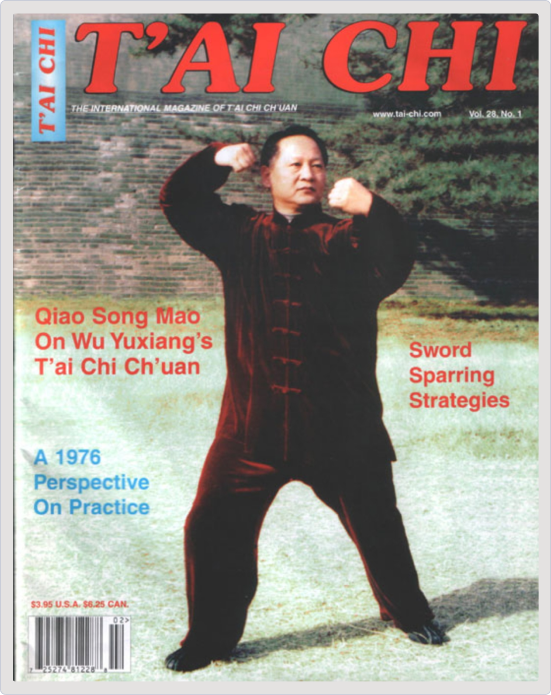
Qiao Style Tai Chi Chuan stands apart from conventional styles in its structure. Its signature features include the distinctive “Five-Flower Palm,” the practice of straightening the rear leg naturally at the end of each posture, and a slight backward lean that ensures correct internal alignment and balanced energy flow. This creates a style marked by clear distinction between movement and stillness, a stable stance in every step, and a harmonious blend of hardness and softness. Internal energy takes precedence over external form, and lower-body movement guides the upper body. Appearing unremarkable at first glance, the style reveals subtle sophistication and profound skill. Its outward expression is calm and relaxed, while internally it preserves concentrated spirit and power. The form is compact and precise, with the thirteen fundamental techniques integrated throughout. The entire body functions as a unified whole, with dignified posture, contained spirit, and dynamic energy. Its pushing-hands practice is streamlined and closely linked to the solo form, embodying the principle that “pushing hands is nothing but the form in motion, and the form is nothing but pushing hands in stillness.” In combat application, in addition to the conventional skills of yielding to and redirecting an opponent’s force and using body alignment to strike, it places special emphasis on sensing and neutralizing incoming energy before striking. Qiao Songmao fully preserved and demonstrated the advanced ability to project an opponent using internal strength alone—achieving the rare skill of “sending an opponent flying without visible exertion,” with the capacity to do so in all directions.
乔氏太极拳在拳架上不流于俗套,其典型的“五花掌”、及每式定势的后腿自然伸直、与微微后仰的讲究内劲、内气中正的身法,形成了动静分明、一步一桩、刚柔相济的拳式,使内动大于外动、下动大于上动得以充分发挥。其平中见奇、拙中见妙、外示安逸、内固精神的拳式小巧紧凑,身法紧严无隙,十三势贯穿于各势之中。周身一家,体态端庄,精神内含,气势腾挪。打手练习从实际出发,删繁就简,与拳架紧密结合。充分验证了“打手即是走架,走架即是打手”。技击效果上除了常规的借力打力、以身法击打外,主要体现在接劲打劲。乔松茂全面完整的继承和体现了直接用内功发放人的发放技术。真正做到了“发人不见其形”,进而实现立体全方位的发放。