



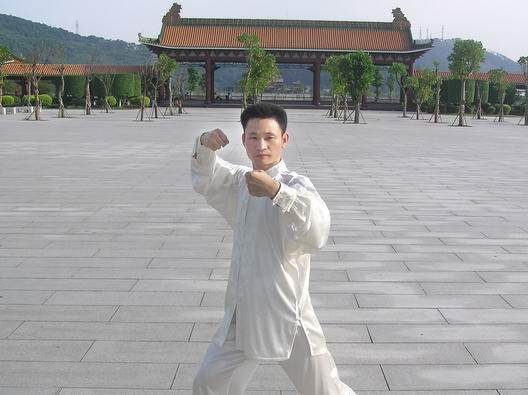
英国乔氏太极拳健康俱乐部
Mastetr Chen Dongsheng

Special Effects of Tai Chi in Diabetes Management
Source: Guangdong Qiao-style Tai Chi Health Club
Author: Mastetr Chen Dongsheng
Edited and translated by Ms. Zhou Juan
太极拳对治疗糖尿病中的特殊作用
来源:广东乔氏太极拳健康俱乐部
作者: 陈东生大师
编辑和翻译:周娟女士
Diabetes is a complex and potentially serious chronic condition. Type 2 diabetes alone accounts for 90–95% of all cases. Blood glucose control remains the core of current treatment approaches. Research confirms that consistent Tai Chi practice delivers remarkable benefits for diabetes management, with particularly pronounced effects for Type 2 diabetes. Below is a detailed breakdown of these advantages.
Among all medically recommended physical activities, traditional Chinese Tai Chi has drawn growing global research attention for its proven glucose-lowering effects, and is increasingly becoming the preferred exercise choice for patients.
– A study in Malaysia found that after 12 weeks of regular Tai Chi practice, participants showed significantly reduced glycated haemoglobin (HbA1c) levels, alongside higher counts of regulatory T cells and improved immune function.
– Research from Australia further verified that Tai Chi strengthens immunity by enhancing cardiorespiratory fitness, and lowers blood glucose by accelerating glucose metabolism.
– Clinical studies by experts at Guang’anmen Hospital, China Academy of Chinese Medical Sciences, show that patients practising Tai Chi regularly have notably lower fasting and post‑meal blood glucose levels, and fewer complications than non‑practitioners. For overweight Type 2 diabetes with severe insulin resistance, Tai Chi effectively reduces insulin resistance, improves pancreatic islet function, and boosts insulin sensitivity and responsiveness. It also brings clear benefits for obesity‑related diabetes, and diabetes combined with dyslipidaemia or hypertension. Some experts conclude Tai Chi offers one of the most direct impacts on blood glucose regulation of all common exercises.
Though Tai Chi is classified as low‑to‑moderate intensity exercise, its distinctive movements and diaphragmatic breathing deliver unique benefits for diabetes care:
1. Raises energy expenditure and lowers blood glucose
Physical activity burns calories and uses glucose directly. Regular Tai Chi also strengthens physical resilience, boosts insulin activity, promotes blood circulation and fluid generation, and produces sustained glucose‑lowering effects.
Protects cardiovascular health and reduces complications
Coordinated muscle and joint movement opens capillaries and speeds venous return, easing strain on the heart. Rhythmic changes in abdominal pressure from diaphragmatic movement gently massage the heart muscle, improving myocardial blood supply and long‑term cardiac health. This significantly lowers risks of cardiovascular complications — including coronary heart disease, the leading cause of death for people with diabetes — and helps manage high blood pressure and elevated blood lipids.
Improves lung capacity and respiratory function
Tai Chi breathing emphasises depth, length, slowness, evenness and softness. Long‑term practice steadily increases lung capacity and strengthens overall cardiorespiratory fitness.
4. Enhances digestion and metabolic function
Repetitive contraction and relaxation of the diaphragm and abdominal muscles gently massage internal organs including the liver and intestines. This boosts hepatic blood flow, improves gut tone and motility, supports healthy secretion by the adrenal glands and pancreatic islets, and corrects metabolic disturbances — key to stabilising blood glucose.
5. Promotes unobstructed circulation and meridian flow
Built on an upright spine and centred coccyx alignment, Tai Chi’s signature spiralling, curved movements channel energy through to the hands and feet. Studies confirm this pattern effectively improves circulation and energetic flow throughout the whole body, slows arterial stiffening, and reduces risks of diabetic foot gangrene — a complication driven largely by poor blood supply and prolonged high glucose levels.
In summary, Tai Chi offers distinct advantages in diabetes care: it lowers blood glucose directly, helps restore natural insulin production from the pancreas, builds overall health, and plays a vital role in preventing and delaying long‑term diabetic complications.
Note: Relevant data and references are omitted here. We apologise for any inconvenience.
糖尿病,是一种带有严重危害的综合性疾病,其中2型糖尿病更是占糖尿病总数的90%~95%,而如今治疗糖尿病的主要手段就是控制血糖,研究发现,坚持练太极拳对糖尿病的治疗起到了很好的作用,尤其是对2型糖尿病有显著的治疗效果。那么太极拳对糖尿病有哪些好处呢?
在众多的医疗体育运动中,中国传统的太极拳运动以其良好的降糖效果,正在成为国内外研究的热点,也成为广大患者争相学习的首选。
马来西亚的一项调查显示,患者在完成12周的太极拳练习后,糖化血红蛋白的标准浓度水平显著降低,体内的调节性T细胞数量增加,人体免疫功能增强。澳大利亚的研究结果也证实,太极拳可以通过改善心肺功能,起到改善免疫系统的作用,这种锻炼方式,还可以通过增强葡萄糖的代谢速度,来降低糖尿病患者的血糖水平。
中国中医科学院广安门医院专家根据多年的临床观察和研究,发现坚持练太极拳的糖尿病患者比那些不练习的患者,空腹血糖、餐后血糖水平明显降低,而且并发症发生的几率也较低。尤其是对胰岛素抵抗较严重的肥胖2型糖尿病患者,能有效减轻胰岛素抵抗、改善胰岛功能、提高胰岛素的敏感性和反应,对于肥胖型糖尿病、糖尿病合并血脂异常、糖尿病合并高血压也有很好的治疗作用。因此一些专家认为在众多运动中,太极拳对血糖的控制是最直接的。
太极拳虽说是轻体力运动,但通过其独特的腹式呼吸法和运动方式,对治疗糖尿病有特殊功效。
1、 消耗体能,降低血糖水平。
作为运动,首先会消耗体力,消耗热量,直接降低血糖水平。通过太极拳运动,患者可以增强体质,增加胰岛素活性,生津活血,有明显的降糖作用。
2、 有利于心脏、血管的健康,防止糖尿病并发症心血管疾病。
打太极拳时身体相应肌肉和关节的活动,使各毛细管开放,静脉回流加速,减轻了心脏的负担。还可通过腹腔内压变化,使膈肌和腹肌收缩和舒张从而起到按摩心脏的作用,改善心肌乃至整个心脏的营养,保持心脏健康,从而防止并发症,特别是第一杀手—–冠心病的发生,还可预防高血压和高血脂。
3、 扩大肺活量,增强肺功能,达到强身健体作用。
太极运动所使用呼吸法,要做到深、长、细、缓、匀、柔,长期锻炼就会增加肺活量。
4、 促进消化功能和体内物质代谢功能。
由于通过膈肌、腹肌的收缩和舒张对肝脏,胃肠等内脏起到了很好的按摩作用,促进了肝内血液循环,提高了胃肠的张力、蠕动,也增强了肾上腺和胰岛腺的分泌功能,改善了体内物质代谢系统功能,从而降低血糖,缓解糖尿病的代谢紊乱问题。
5、有利于畅通全身经络和血管。
由于肌肉和骨骼不断的做螺旋式的弧形动作,在尾闾正中基础上,缠绕运动,劲贯四稍。据统计太极拳运动是打通全身经络和血管很好的的运动方式,缓减血管硬化,为全身血液的顺畅流动提供了有力的物质基础,因此对预防糖尿病四肢坏疽(主要原因是缺血和血糖超标)有很好作用。
总而言之,太极拳运动对治疗糖尿病有特别作用,可以直接降糖,不同程度的激活胰腺分泌胰岛素功能,还可增强体质,同时对预防并发症有重要作用。
备注:本文相关数据及相关参考文献在此省略,不便之处,敬请海涵。